📌 On household resilience;
➡️ Physical Readiness & Essential Supplies
The foundation of a resilient home is the “72-hour rule,” ensuring you can survive independently for three days without external services.
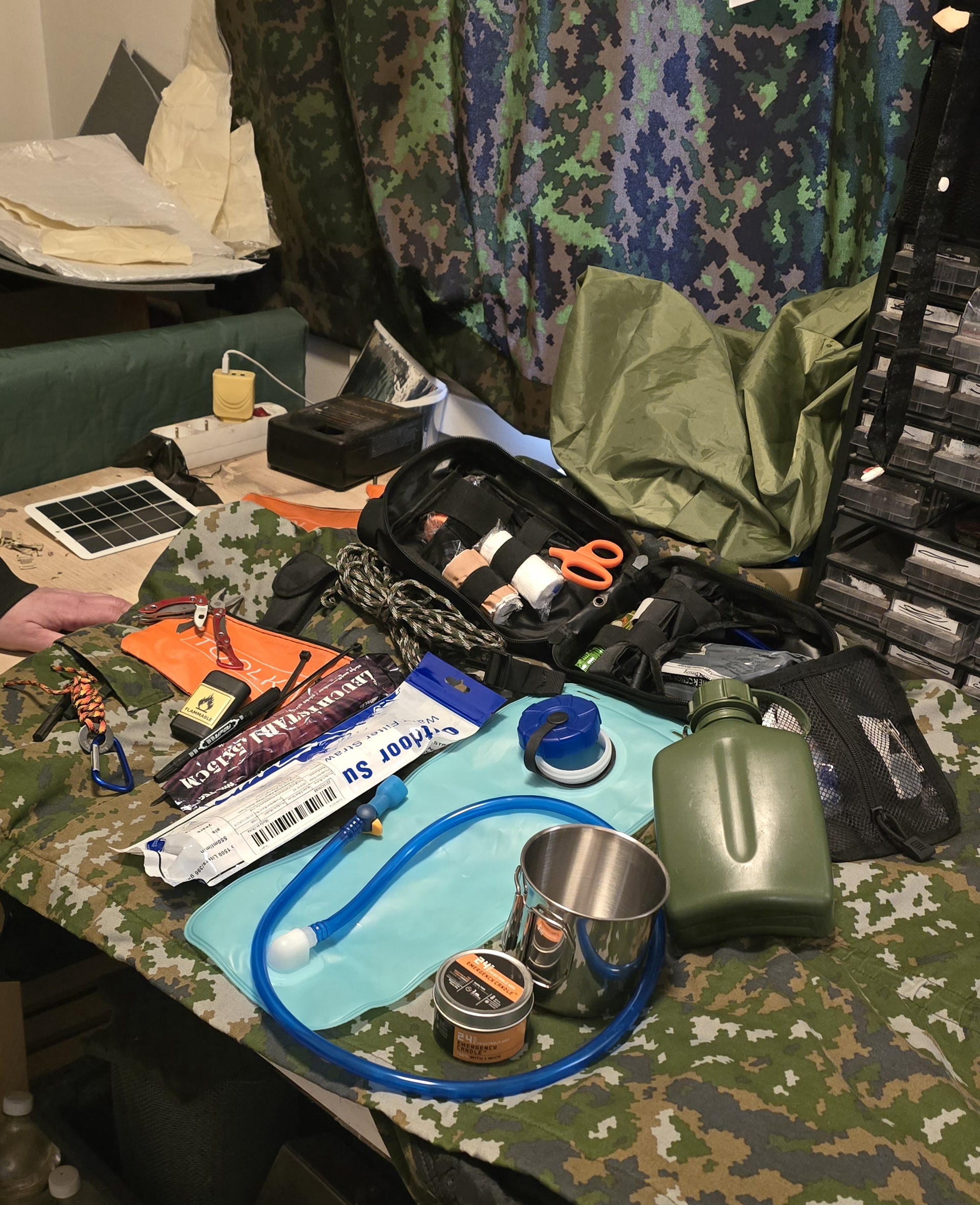
Emergency Kit: Maintain a “Go-Bag” and a “Stay-at-Home” kit. Include water (2 liters per person per day), non-perishable food, a manual can opener, a first-aid kit, and essential medications.
Alternative Power & Light: Keep power banks charged, and have flashlights with extra batteries or rechargeable flash lights and/or hand-crank lanterns. Consider a portable solar charger for small devices.
Backup Heating: In cold climates, ensure you have a way to stay warm if the grid goes down, such as sleeping bags rated for low temperatures or a wood-burning stove, gas heater for short periods. remember safety hazards with fire
➡️ Infrastructure & Maintenance
Hardening your physical environment reduces the impact of external stressors.
Water Security: Store water in food-grade containers and learn how to purify water using tablets or boiling.
Maintenance: Regularly inspect roofs, gutters, and drainage systems to prevent water damage during storms.
Energy Efficiency: Better insulation and sealing drafts not only lower daily costs but keep a home habitable longer during a heating failure.
➡️ Financial & Digital Resilience
Economic shocks are often more common than physical disasters.
💲Emergency Fund: Aim for three to six months of essential living expenses kept in a liquid, accessible account.
Insurance: Regularly review policies to ensure coverage for specific regional risks (e.g., flooding, fire, or theft).
💾 Document Security: Keep digital and physical copies of birth certificates, property deeds, and insurance policies in a fireproof/waterproof safe or encrypted cloud storage. Remeber in certain crisis networks aren’t available so hard copies are good to have. 📚
➡️ Skills & Social Capital
Resilience is as much about what you know and who you know as what you own.
Basic Skills: 🩺 Learn First Aid/CPR, basic home repair, and how to cook without a stove, on rougher scenarios consider self defence.
Community Connections: Know your neighbors. In a crisis, local networks are the fastest form of aid. Sharing tools, information, and labor strengthens the entire block.
Mental Fortitude: Practice “stress inoculation” by running occasional drills (e.g., a “no-power night”) to identify gaps in your plan and reduce panic during a real even

TAGS
Categories
No responses yet